Key Takeaways
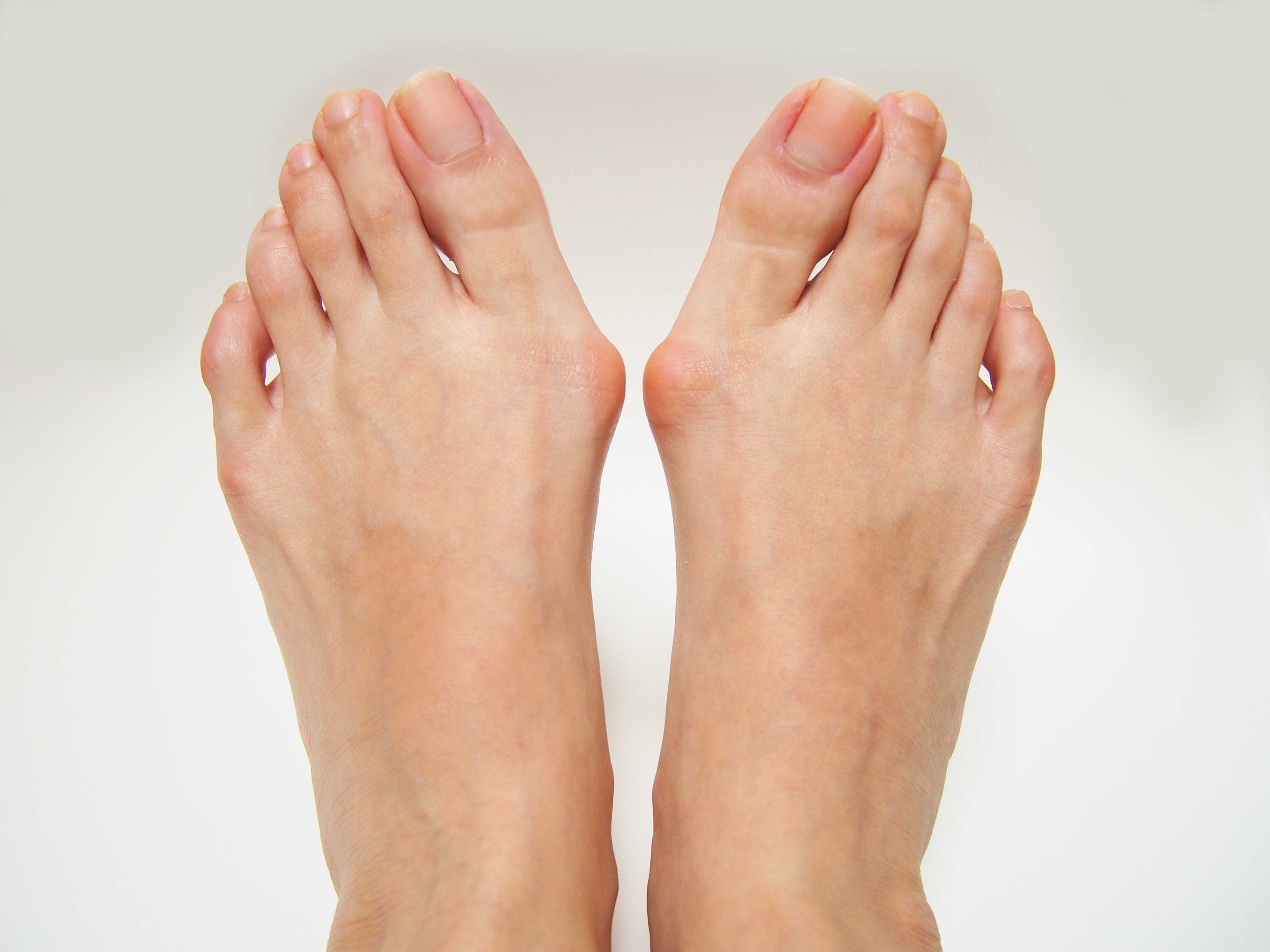
- A bunion is a bony bump that forms at the base of the big toe when the joint becomes misaligned, causing the toe to angle inward toward the other toes.
- Common symptoms include pain, swelling, redness, restricted toe movement, and difficulty finding comfortable footwear.
- Bunions develop due to genetics, improper footwear, arthritis, and biomechanical issues that place excessive pressure on the big toe joint.
- Non-surgical treatments like wearing supportive shoes, using orthotics, and taking anti-inflammatory medication can help manage symptoms.
- Surgery may be recommended for severe cases where conservative treatments fail to provide relief.
- The Center for Bone and Joint Disease offers expert Foot and Ankle Treatment in FL to help you address bunions and restore comfort and mobility.
Bunions are one of the most common foot problems affecting millions of people each year. If you've noticed a bony bump forming at the base of your big toe, you might be dealing with a bunion. Understanding what causes them, how to recognize the symptoms, and what treatment options are available can help you take control of your foot health and prevent further discomfort.
What Is a Bunion?
A bunion, medically known as hallux valgus, is a bony protrusion that develops at the base of your big toe. It forms when the bones in the front part of your foot shift out of alignment, causing the big toe to push toward the second toe. Over time, this misalignment creates a visible bump on the side of the foot.
Bunions don't appear overnight. They develop gradually and can worsen without proper care. The condition affects the metatarsophalangeal (MTP) joint, which connects the big toe to the rest of the foot. As pressure builds on this joint, the surrounding tissue may become inflamed, leading to discomfort and difficulty walking.
Common Symptoms of Bunions
Recognizing the signs of a bunion early can help you seek treatment before the condition worsens. Here are the most common symptoms:
- Visible bump: A noticeable bony protrusion on the outside of the big toe joint.
- Pain and tenderness: Discomfort at the site of the bunion, especially when walking or wearing shoes.
- Swelling and redness: Inflammation around the affected joint.
- Restricted movement: Difficulty moving the big toe due to stiffness.
- Corns or calluses: These often develop where the first and second toes overlap.
- Footwear challenges: Shoes that once fit comfortably may feel tight or cause irritation.
If you experience any of these symptoms, it's important to consult a foot specialist who can assess the severity of your condition and recommend appropriate treatment.
What Causes Bunions?
Several factors contribute to the development of bunions. Understanding these causes can help you take preventive measures.
Genetics
Bunions often run in families. If your parents or grandparents had bunions, you may be more likely to develop them as well. Inherited foot structures, such as flat feet or low arches, can increase your risk.
Improper Footwear
Wearing tight, narrow, or high-heeled shoes forces the toes into unnatural positions, placing excessive pressure on the MTP joint. Over time, this can lead to bunion formation.
Arthritis
Inflammatory conditions like rheumatoid arthritis can weaken the joints and make them more susceptible to deformities, including bunions.
Biomechanical Issues
Abnormal foot mechanics, such as overpronation (excessive inward rolling of the foot), can contribute to bunion development by placing uneven stress on the big toe joint.
Non-Surgical Treatment Options for Bunions
If you catch a bunion early, non-surgical treatments can help alleviate pain and slow its progression. Here are some effective strategies:
Wear Proper Footwear
Choose shoes with a wide toe box, low heels, and good arch support. Avoid narrow or pointed shoes that squeeze the toes together.
Use Orthotic Inserts
Custom or over-the-counter orthotics can help redistribute pressure on your foot and reduce strain on the bunion.
Apply Ice and Take Anti-Inflammatory Medication
Icing the affected area can reduce swelling, while over-the-counter pain relievers like ibuprofen can help manage discomfort.
Padding and Taping
Bunion pads can cushion the bump and reduce friction, while taping the foot in a normal position may alleviate stress on the joint.
Physical Therapy
Stretching and strengthening exercises can improve flexibility and reduce pain associated with bunions.
When Is Bunion Surgery Necessary?
If conservative treatments don't provide relief and your bunion significantly impacts your quality of life, surgery may be the best option. Bunion surgery, known as a bunionectomy, involves realigning the bones, ligaments, and tendons to restore proper foot structure.
The Center for Bone and Joint Disease specializes in advanced surgical techniques that minimize recovery time and maximize results. Your surgeon will evaluate the severity of your bunion and recommend the most appropriate procedure for your needs.
Get Expert Bunion Treatment in FL
Don't let bunion pain hold you back from enjoying your daily activities. The Center for Bone and Joint Disease provides comprehensive Foot and Ankle Treatment to help you find relief and restore mobility.
Ready to take the next step? Request an appointment with The Center for Bone and Joint Disease today and get the expert care you deserve.
Frequently Asked Questions
Can bunions go away on their own?
No, bunions do not go away on their own. Once the joint has shifted out of alignment, it will not correct itself without intervention. However, early treatment can help slow progression and manage symptoms effectively.
Are bunions only caused by wearing high heels?
While high heels and tight shoes can contribute to bunion development, they are not the only cause. Genetics, foot structure, and arthritis also play significant roles in bunion formation.
How long does bunion surgery recovery take?
Recovery time varies depending on the type of surgery performed. Most patients can return to normal activities within six to twelve weeks, though full healing may take several months.
Can I prevent bunions from developing?
While you cannot change your genetic predisposition, you can reduce your risk by wearing supportive footwear, maintaining a healthy weight, and addressing any biomechanical issues early.
Do bunions always require surgery?
No, many people manage bunions successfully with non-surgical treatments. Surgery is typically reserved for cases where pain is severe and conservative methods have not provided relief.
What happens if I ignore a bunion?
Ignoring a bunion can lead to worsening pain, difficulty walking, and the development of additional foot problems such as hammertoes or arthritis in the affected joint.
